

Electroaphone


11/30/2019
“…irresistible cold bombs tinged with hybrid funk and carried by a minimalist drum machine.”

The Comateens: Reissues of Comateens, Pictures On A String and Deal With It

Nice initiative of the French label Tricatel to release the first three albums of the trio from Midtown Manhattan. In the early 80s Comateens enjoyed some success in our country. The trendy discos broadcast Get Off My Case, Ghosts or Don’t Come Back, irresistible cold bombs tinged with hybrid funk and carried by a minimalist drum machine.

In 1978, bassist Nic North and synth singer-songwriter Lyn Byrd, recruited for her wardrobe, rehearsed with a guitarist who was quickly replaced by brother Oliver North. They frequent the Mudd Club, Hurrah or Peppermint Lounge and listen to Alan Vega, mutant disco and sixties pearls. After a first 45 in 1979, they were spotted and produced by a French producer Fabrice Nataf, who signed them on his label Call Me.
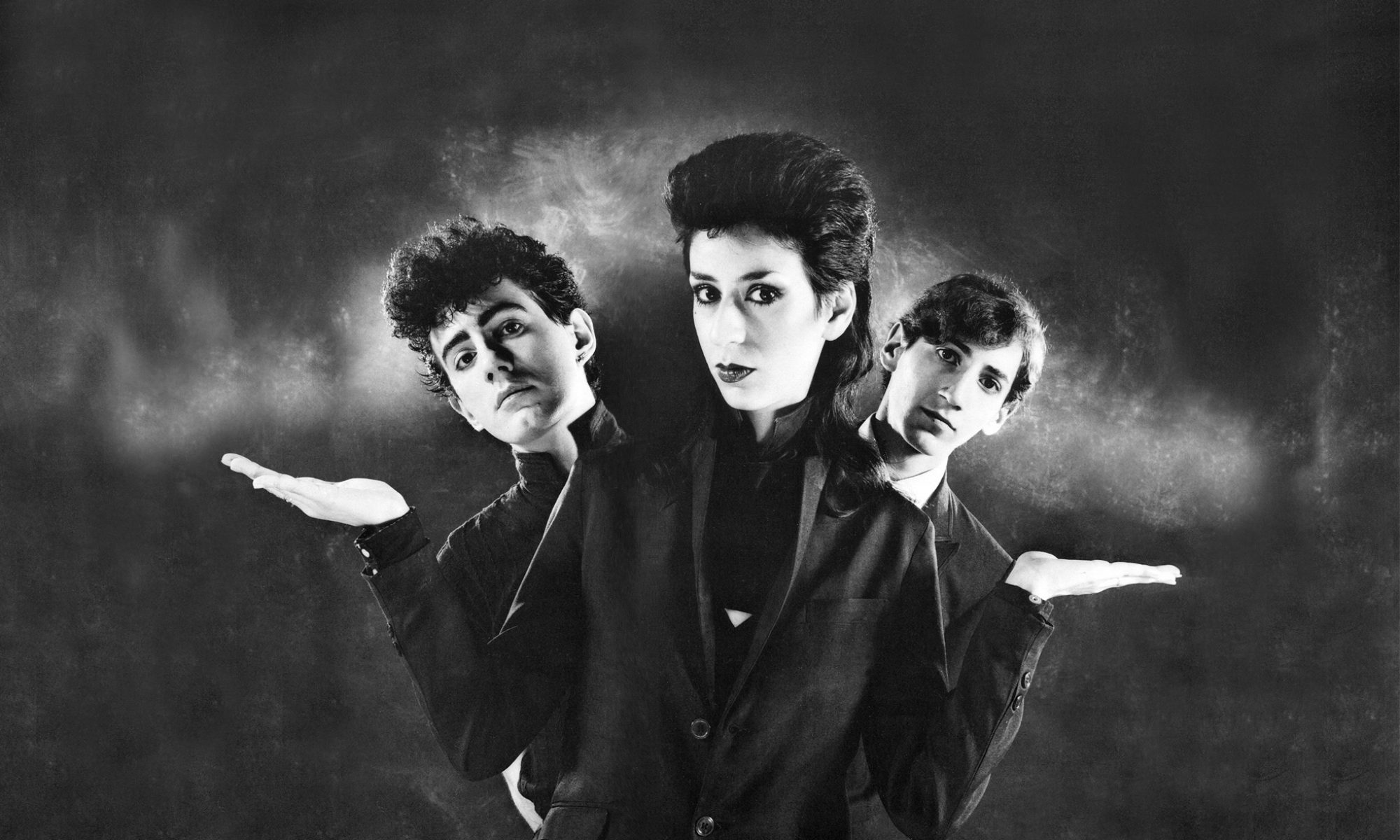
Their debut album Comateens was recorded in New York in an 8-track studio (A.D.R) in December 1980 and despite a small budget ($3000), the record took off thanks to a few revisited covers such as The Munster’s Theme of the famous fantasy sitcom or the frantic Summer in the City by Lovin’ Spoonful. The trio does not go unnoticed; their austere look in black suits and the italo junk-rocker New York haircuts give them a special status.

Beyond the success of esteem, Comateens now appears alongside the Ramones, James Chance or Klaus Nomi. Their 45 single, Ghosts, illustrated by Serge Clerc for the French version, slams feet with its mechanical funk and rhythmic pop voices. The single enjoys a good distribution via Barclays and goes on free radio to finish on the dancefloors.

In 1983, Virgin released Pictures On A String. Recorded in London at the Powerplant Studio by Norman Mighell (spotted with Joe Jackson or Bob Marley), this second LP benefits from a rounder production that does not detract from the qualities of compositions. With Get Off My Case, an irresistible and mastereful title at the crossroads of rap and festive New York groove, the trio finally holds its first hit. Synthesizers become more complex, as do the programmed rhythms, the tangy voices that caress pop without emphasis on The Late Mistake while Cold Eyes touches on suave and melancholic perfection, like unhappy Korgies. The voices of an asexual Prince and barbed-wire guitars envelop Pictures On A String and Cinnamon with a no wave horse fever.

The following year, the band strengthened their rhythm in the studio with drummer percussionist Chuck Sabo and went to Miami at Criteria Recording Studios with Peter Solley (Motorhead, The Romantics…) at the controls. Deal With It is distinguished from the previous two albums by a typical mid 80’s sound amplitude. With profusion of arrangements and synthetic tics, their new wave pop trails The Cars and The B-52’s, but it doesn’t reach the general public. Resist Her’s power pop electrifies chords and the voices of Nic and Lyn tease the counter-song with delight. The white funk electro culture hits Don’t Come Back and Deal With It, two burns where drummer Sabo’s touchdown stands out.

The pop of their albums will not prevent them from separating in 1985, from experiencing tragic moments, from experiencing success unexpectedly and from working with Etienne Daho. But that’s already a different story….
—Mathieu M

This article was translated from the original French.
Comateens 1980-1985 :: Rééditions de “Comateens”, “Pictures On A String” et “Deal With It”

Belle initiative du label français Tricatel que de ressortir les trois premiers albums du trio originaire du Midtown Manhattan. Au début des années 80 The Comateens connurent un certain succès dans notre pays. Les discothèques branchées diffusaient Get Off My Case, Ghosts ou Don’t Come Back, des bombes froides irrésistibles teintées de funk hybride et portées par une boîte à rythmes minimalistes.

En 1978, le chanteur-bassiste Nic North et la chanteuse-synthé Lyn Byrd, recrutée pour sa garde robe, répètent avec une guitariste vite remplacée par le frangin Oliver North. Ils fréquentent le Mudd Club, le Hurrah ou le Peppermint Lounge et écoutent Alan Vega, du mutant disco et des perles sixties. Après un premier 45t en 1979, ils sont repérés et produits par un producteur français Fabrice Nataf, qui les signe sur son label Call Me.
Leur premier album Comateens est enregistré à New York dans un studio 8 pistes (A.D.R) en décembre 1980 et malgré un petit budget (3000$), le disque décolle grâce à quelques reprises revisitées comme The Munster’s Theme de la fameuse sitcom fantastique ou le frénétique Summer in the City des Lovin’ Spoonful.

Le trio ne passe pas inaperçu, leur look austère en costards noirs et les coupes de cheveux italo junk-rocker New Yorkais leur confèrent un statut à part.

Au delà du succès d’estime, The Comateens s’affiche désormais aux cotés des Ramones, James Chance ou Klaus Nomi. Leur 45, Ghosts, illustré par Serge Clerc pour la version française, claque des pieds avec son funk mécanique aux voix pop rythmées. Le single profite d’une bonne distribution via Barclays et passe sur les radios libres pour finir sur les dancefloors.

En 1983, Virgin sort Pictures On A String. Enregistré à Londres au Powerplant Studio par Norman Mighell (repéré avec Joe Jackson ou Bob Marley), ce second LP bénéficie d’une production plus ronde qui n’enlève rien aux qualités des compostions. Avec Get Off My Case, titre irrésistible et maitrisé au croisement du rap et du groove festif new-yorkais, le trio tient enfin son premier tube. Les synthétiseurs se complexifient tout comme les rythmes programmés, les voix acidulées caressent la pop sans emphase sur The Late Mistake pendant que Cold Eyes touche à la perfection suave et mélancolique, tel des Korgies malheureux. Les voix d’un Prince asexué et les guitares barbelées enveloppent Pictures On A String et Cinnamon d’une fièvre de cheval no wave.

L’année suivante, le groupe renforce sa rythmique en studio avec le batteur percussionniste Chuck Sabo et fonce à Miami aux studios Criteria Recording avec Peter Solley (Motorhead, The Romantics…) aux manettes. Deal With It se distingue des deux précédents albums par une amplitude sonore typique des mid 80’s. Avec des arrangements à profusion et ses tics synthétiques, leur pop new wave talonne The Cars et The B-52’s, sans pour autant parvenir à toucher le grand public. La power pop de Resist Her électrise les chutes d’accords et les voix de Nic et Lyn taquinent le contre-chant avec délectation. La culture white funk électro percute sur Don’t Come Back et Deal With It, deux brûlots ou le touché de Sabo s’illustre.

Le plus pop de leurs albums ne les empêchera pas de se séparer en 1985, de vivre des moments tragiques, de connaitre le succès de manière inattendue et de travailler avec Etienne Daho. Mais c’est déjà une autre histoire….
—Mathieu M

Alsace


12/16/2019
“…subtle pop based on crystalline guitars, addictive choruses and dance rhythms…”

Even their vintage synth sounds should not surprise in the next 20 years: American trio supported by Etienne Daho, the elegant Comateens had a brief career from 1980 to 1985 but marked the “new wave” generation. The band is custodian of subtle pop based on crystalline guitars, addictive choruses and dance rhythms, and has their three studio albums reissued on vinyl. Here you find absolute hits like Don’t Come Back or the intensely funky Get Off My Case. None of it has aged.

This article was translated from the original French.
Culture – Loisirs
Rééditions vinyles
Comateens

Même leurs sons de synthé vintage ne devraient pas détonner dans les prochaines années 20 : trio américain soutenu par Etienne Daho, les élégants Comateens ont connu une brève carrière de 1980 à 1985 mais ont marqué la génération “new wave”. Dépositaires d’une pop subtile à base de guitares cristallines, de refrains addictifs et de rythmes dansants, le groupe voit ses trois albums studio réédités en vinyle. Où l’on retrouve des tubes absolus comme Don’t Come Back ou l’intensément funky Get Off My Case. Tout ceci n’a pas pris une ride.

Collaborations

COLLABORATIONS
WITH ETIENNE DAHO

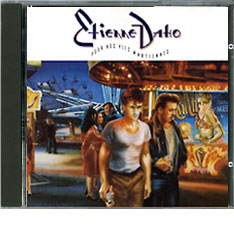
POUR NOS VIES MARTIENNES

Label:  Virgin France; # B00000GAH3

Released:  France, 1988

Includes: Stay With Me — written by OLIVER NORTH and performed by ETIENNE DAHO.

LIVE-ED ETIENNE DAHO

Label: Virgin France

Released:  France, 1989

Includes: Stay With Me — written by OLIVER NORTH and recorded at the Zenith concerts in Paris, performed by ETIENNE DAHO, accompanied by NICHOLAS WEST and LYN BYRD.

PARIS AILLEURS

Label:  EMI/Virgin France, # B000005N01

Released:   France, 1991

Includes: Toi + Moi. — LYN BYRD sings backup vocals for ETIENNE DAHO on the track.

DANS LE PEAU DE DAHO

Label:   EMI International #B00006ANJC

Released:  France, 2002

A compilation of Etienne’s personal favorites, includes;

Stay With Me — written by by OLIVER NORTH

Sally Go Round the Roses — a cover song performed as a round with Comateens.

Sleep — written by NICHOLAS WEST and performed with Comateens

Me Manquer — (Miss You), written by NICHOLAS WEST, with a French lyric adaptation by ETIENNE DAHO, performed with Comateens.

Soudain — (Suddenly), written by NICHOLAS WEST and LYN BYRD, with French lyrics by ETIENNE DAHO, performed live.


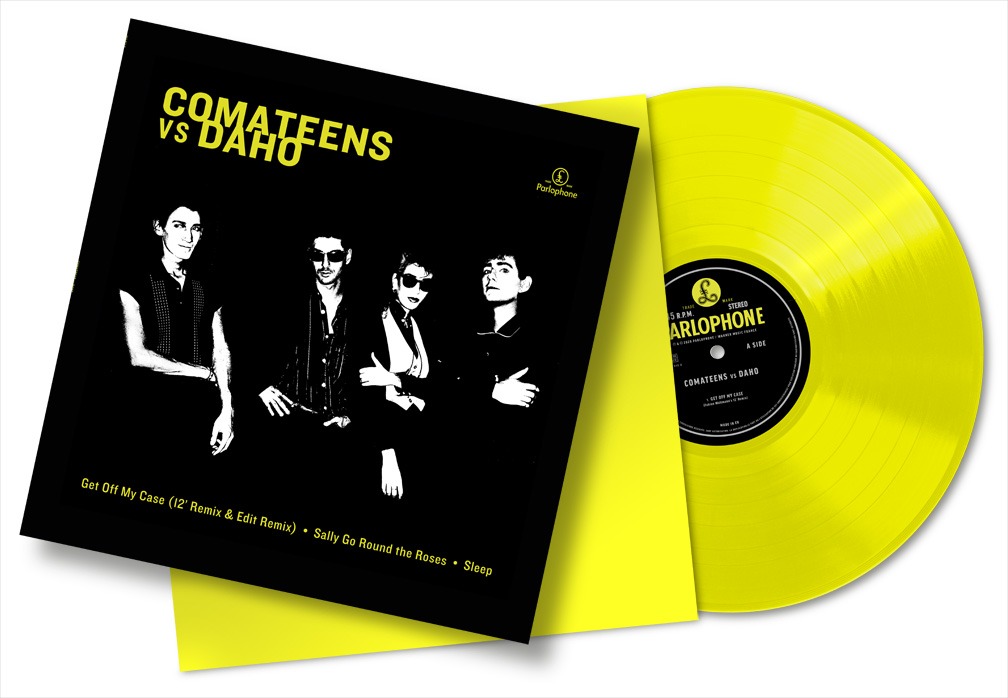
COMATEENS VS. DAHO

Label:   Parlophone

Released:  France, July 2020

Release of a 12″ EP, largely recorded at Olympic Studios in London, during the sessions for Etienne Daho’s 1996 release of Eden. Etienne, Lyn and Nicholas recorded a cover of the classic, Sally Go Round The Roses, and Nicholas played bass, and along with Lyn sang backing vocals on another of West’s compositions, Sleep. In addition Etienne directed a club-remix of Comateens hit Get Off My Case to be produced by Fabian Waltman.


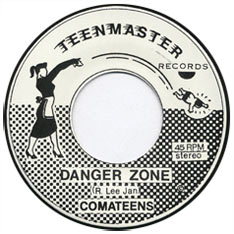
Cool Chick / Danger Zone

 Label:  Teenmaster

Released:  USA, Fall 1979

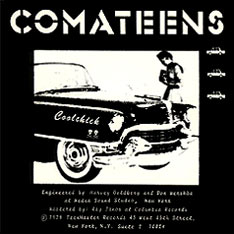
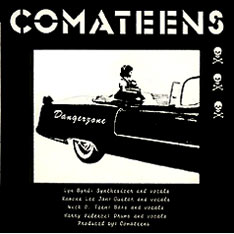
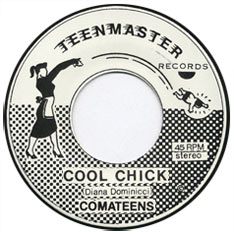
COMATEENS first commercial single; recorded, designed, and distributed to small NY record stores by the band themselves. This single garnered much critical acclaim in the underground rock press, especially the song “Cool Chick”, written by a close friend of the band, DIANA DOMINICCI.

Recorded September 1979 at MediaSound Studios, New York Engineered and mixed by HARVEY GOLDBERG, assisted by DON WERSHBA

Sleeve and label design by LYN BYRD

Personnel:
LYN BYRD: Vocals, keyboard
RAMONA JAN: Vocals, guitar
NIC O. TEEN: Vocals, bass
HARRY VIDERCI: Drums

Songs:
Lead Vocal:
Cool Chick
Danger Zone
Lyn
Nic
Single sleeve, front.
Single sleeve, back.
Disc label, front.
Disc Label, back.

MORE SINGLES:  
TVC15 / I Try
Late Night City / Overseas


COMATEENS INTERVIEWED FOR ETIENNE DAHO DOCUMENTARY

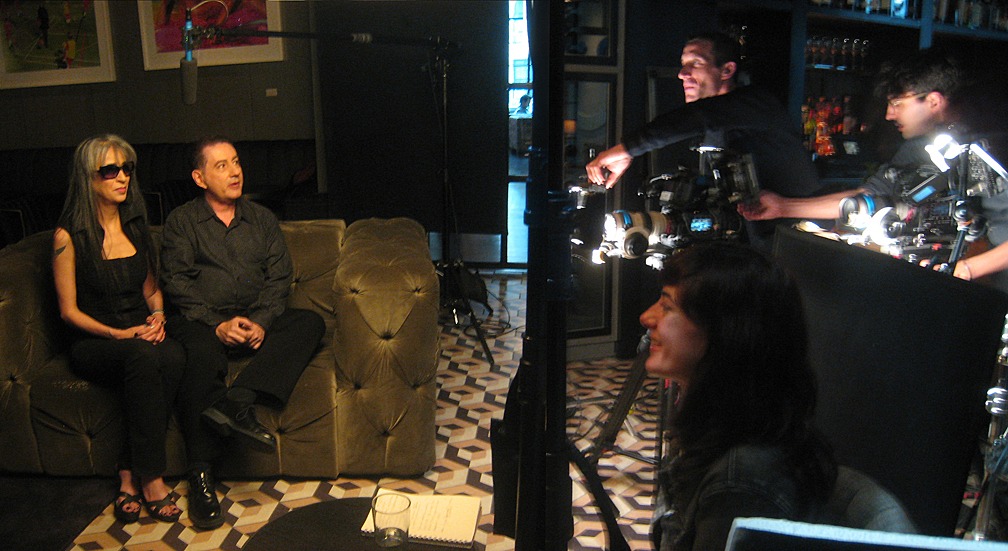
On June 9, 2015 Nicholas West and Lyn Byrd went to meet director Antoine Carlier and his crew at a New York City boutique hotel located in Soho to be interviewed for the documentary feature; Etienne Daho, Un Itinéraire Pop Moderne.

The Comateens and Etienne started their recording careers in the same period, shared managers and labels over the years, and have been associates, friends and collaborators ever since. Nicholas and Lyn were happy to share their insights and memories for the production.

COMATEENS PERFORM AT MUDD CLUB REUNION

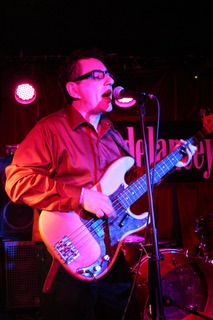
October 28, 2010; Comateens Nicholas West and Lyn T. Byrd, supported by guitarist Mitro Valsamis, reunite and perform a short set of Comateens early material at the Mudd Club’s 30th anniversary reunion bash, held at the Delancey Lounge nightclub in downtown NYC.

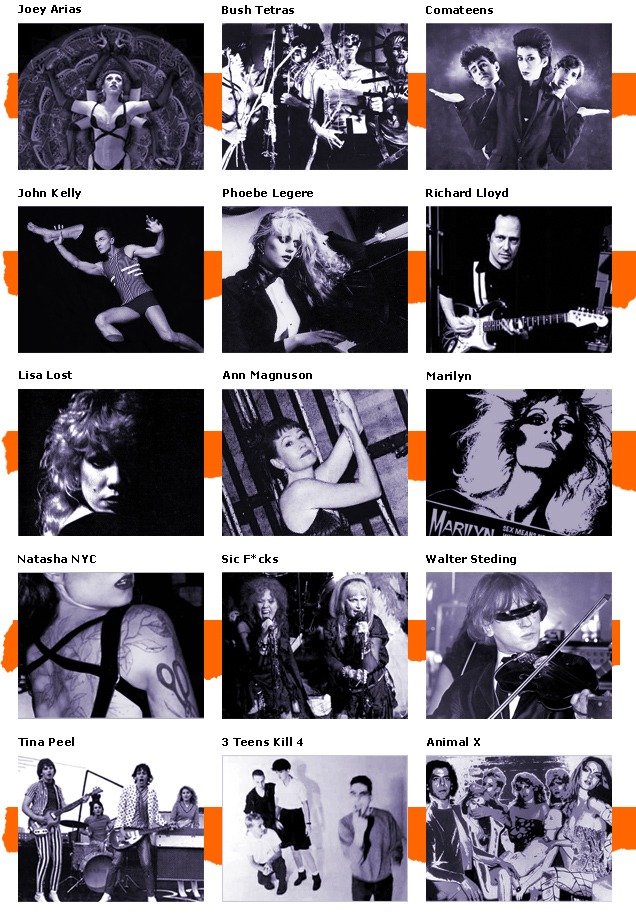
Comateens were regulars at the iconic Mudd Club venue, along with other legendary ’80s New York art bands. They were joined this night by; Bush Tetras, Walter Steding, John Kelly, Phoebe Legere, Richard Lloyd, Lisa Lost, Marilyn, Sic F*cks, 3 Teens Kill 4, Tina Peel, Ann Magnuson and the fabulous Joey Arias.

These acts reconvened for one not-to-be-missed night along with many more of their artistic alumni, and an appreciative audience packed with many diehard fans and adventurous newbies. With so many familiar faces, it was a party to remember.

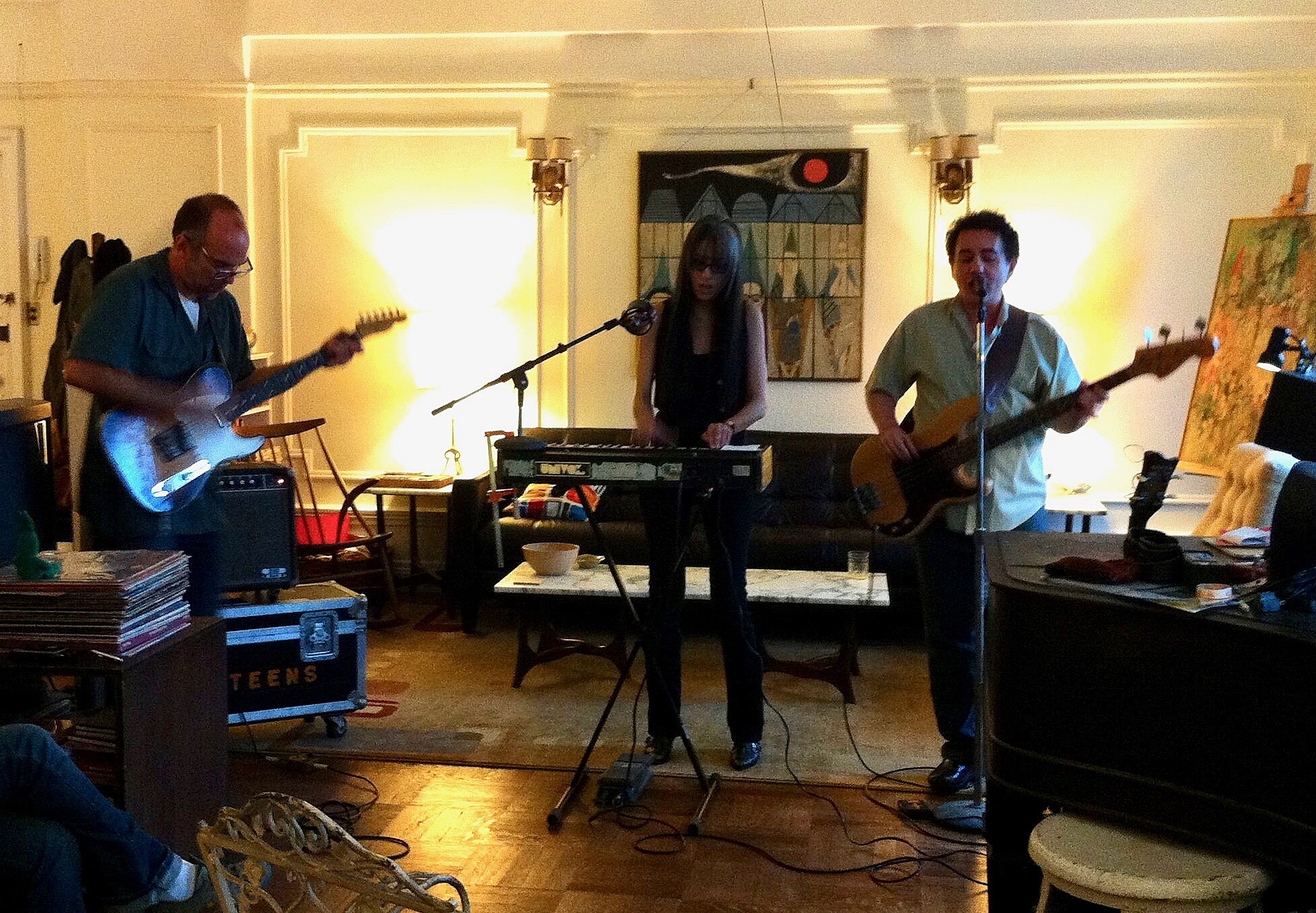
The main performers at the Mudd Club reunion.
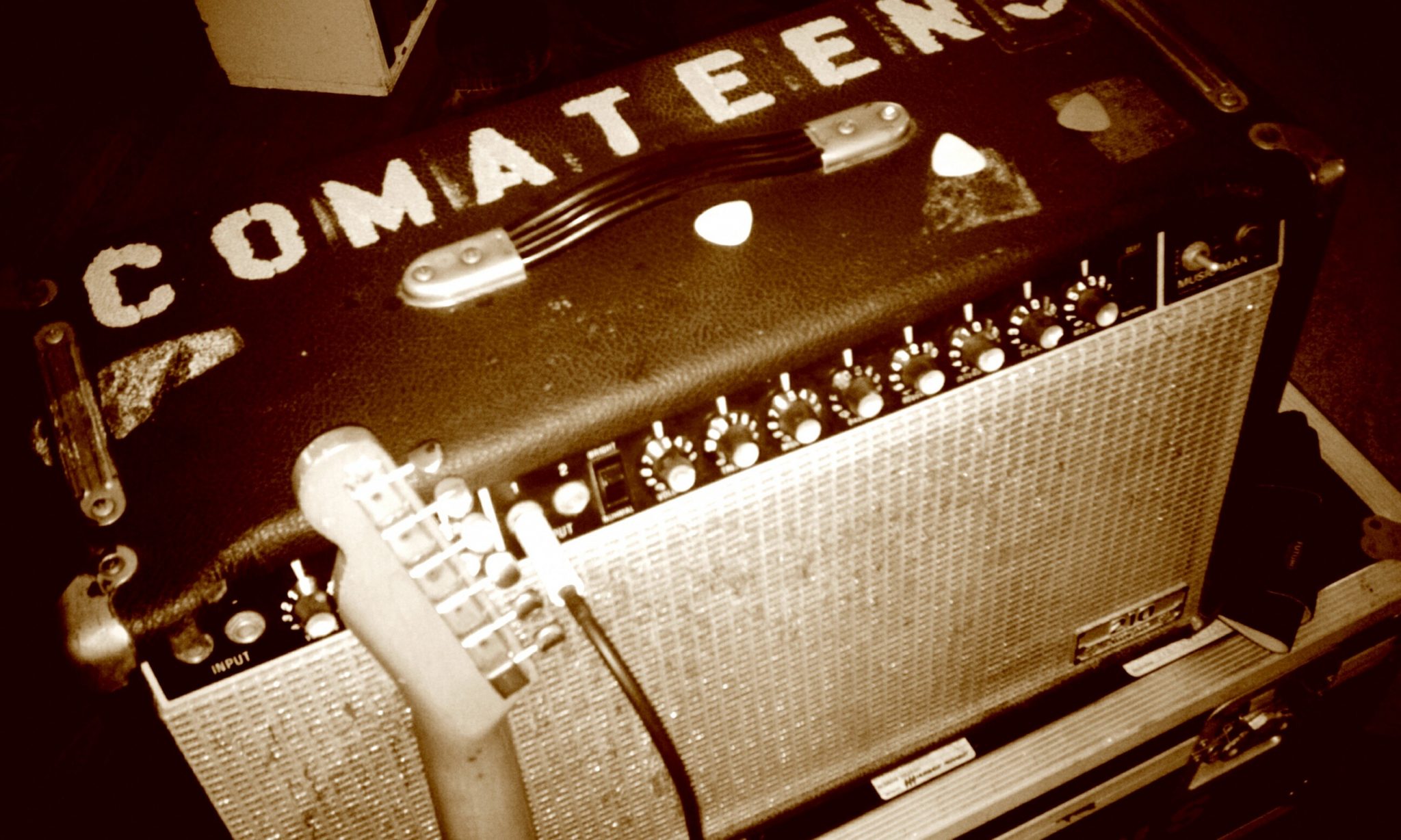
One of Comateens workhorse guitar amps at the rehearsal, a late 1970s-early-1980s Music Man 210 RD. Rated for 100 watts of power pushed through two 10″ speakers, built in distortion and reverb.⁣
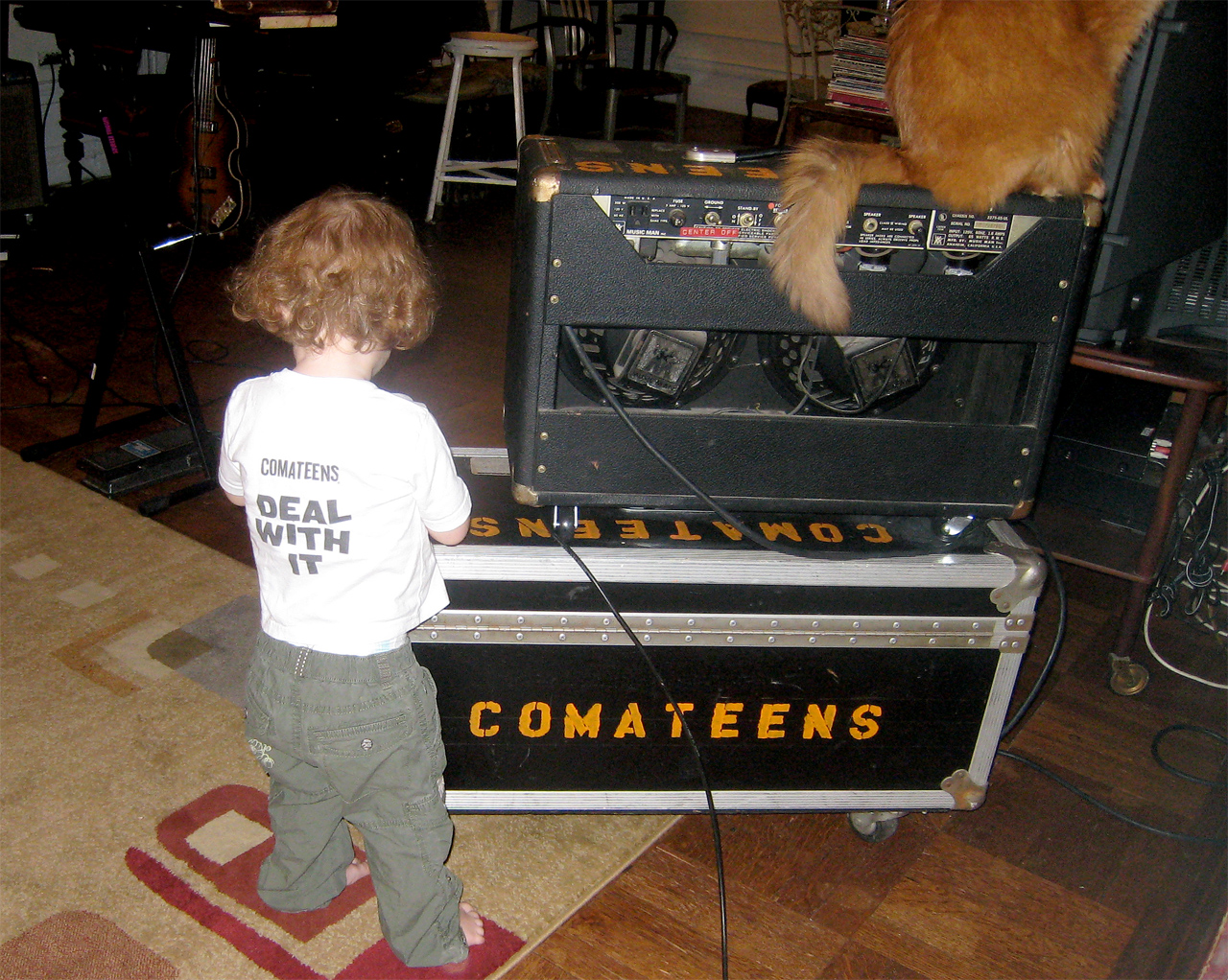
Roadie SASHA FRERE, at work during Comateens rehearsal, New York City, Oct. 2010

When Comateens were contacted about performing, by Tesssie Chua who organized the event, they had not played together for almost twenty years, and had no guitarist since the passing of Oliver North.  A plan was made to perform some of their early hits using a monophonic keyboard, and as they had started out, playing with their beloved “Rolly” a Roland CR-78 Compu-Rhythm drum machine. They still needed a rhythm guitarist and Mitro Valsamis a fellow Bronx Science attendee and a close friend of Oliver’s graciously volunteered.

Guitarist extraordinaire MITRO VALSAMIS

Mitro, like Oliver, had been a guitarist since high school, performing with a number of bands, including a punk band out of New York City in the ’90s called Trick Babys. and in the 2000s with punk-soul band Mighty Fine. He knew all about Oliver’s demanding and brilliant guitar work, felt he could do the style justice and spent the next few months practicing. In addition to being an excellent guitarist Mitro was an olympic-level fencer, a two-time national fencing champion in the Cadet Sabre division, and then coach at the Brooklyn Bridge Fencing Club. Oliver’s aggressive playing style is particularly demanding for any guitarist, and the strains of practicing while also fencing, lead to Mitro having to wear an elbow brace to mitigate the physical strain. It was all worth it, and on reunion night he gave an excellent performance on Comateens classics.

(Left to right) MITRO VALSAMIS (guitar), LYN (synth) and NIC (bass) during Comateens final rehearsal for the Mudd Clubb show⁣.

Late in September a final rehearsal was held at Nic’s upper-west-side apartment, with a small audience of close friends.

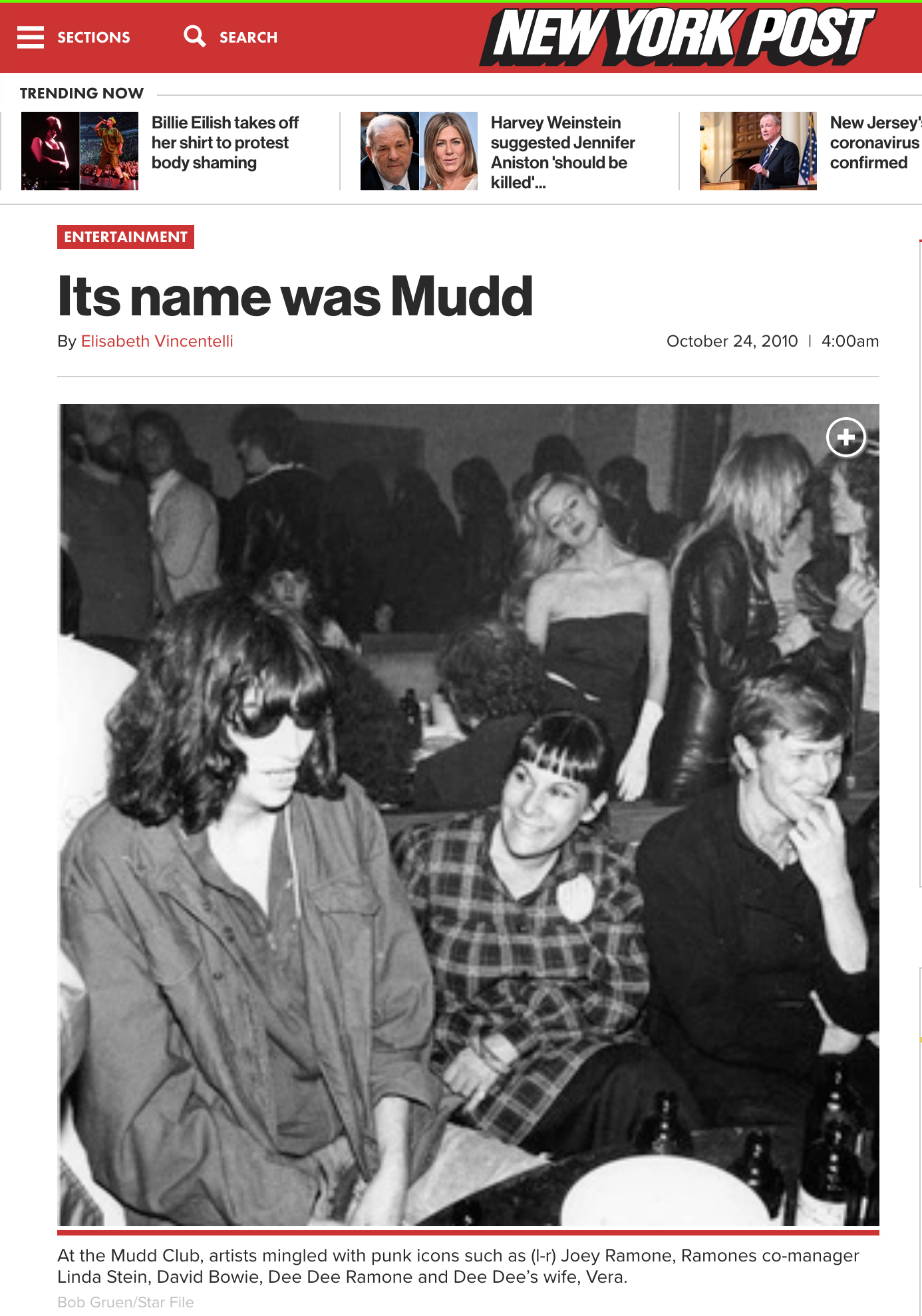
Below is an excerpt from an article in the New York Post in 2010, that gives more information about the late 20th downtown century scene that revolved around this NYC TriBeCa club, an important venue for underground music and counterculture events.

Its name was Mudd

By Elisabeth Vincentelli, New York Post, October 24, 2010 | 4:00am

Save for name checks in songs by the Ramones, Talking Heads and Nina Hagen, the Mudd Club may well be the best New York venue you’ve never heard about. While CBGB and Max’s Kansas City have been lionized, Mudd Club and its contemporary, Club 57, played a key role in late-’70s/early-’80s New York.

In addition to nurturing seminal local bands, they helped launch the careers of painters Jean-Michel Basquiat, Keith Haring and Kenny Scharf, performance artists John Kelly and Joey Arias, and filmmaker Vincent Gallo.

Several alumni will attend a reunion party at the Delancey Lounge on Thursday, organized by Tessie Chua — who, back then, often performed dressed as a giant cockroach.

“It was more arty, more fashion, more glamour than CBGB’s or Max’s,” says Lyn Byrd of the Comateens, which is re-forming for the event. “It was the heroin-chic place — it was packed with that drug.”

The multi-floored Mudd Club, at 77 White Street in TriBeCa, was self-consciously edgy. It had a door policy, of sorts. Employee Anne Lilja (then Gustafsson) created exclusive laminated cards that were sent to people who founder Steve Mass wanted inside. “I guess we were pretty arrogant, but then again, we were the scene,” she says.

This was countered by a sense of wild freedom. The venue cultivated an anything-goes attitude and presented acts ranging from Fab 5 Freddy to William Burroughs, along with a nonstop flow of parties.

Club 57, in a tiny Polish church’s basement on St. Marks Place, was the more rambunctious, campier sibling. It became famous for its Monster Movie Club and goofy theme parties like “Putt-Putt Reggae Night” and “The Model World of Glue.”

“There wasn’t much difference in our minds between musicians, artists, performers,” says Scharf. “I’m known as a visual artist, but I used to perform back then, singing and dancing and all that crazy stuff.”

The scene was devastated by overdoses, hepatitis C and AIDS, but its survivors have no regrets. “Every day was different,” recalls photographer Marcia Resnick. “But you could trust it to be cool. Always cool.”

And if CBGB hogs all the glory now, that may be because the Mudd Club scene never wanted it.

“There was an anti-branding mentality behind them,” says Club 57 manager Ann Magnuson, an artist and musician who went on to become a Hollywood character actress. “It was a spirit of counterculture, with an emphasis on counter.”

Read the full article at the New York Post